
Thank You Cards for Kids: A Creative and Gratitude-Building Guide
Introduction
Thank you cards are a timeless gesture for teaching children the value of gratitude. These small yet meaningful acts do more than just convey appreciation; they build emotional intelligence, social skills, and foster lasting connections with family and friends. By engaging in crafting and sending thank you cards, kids learn to express gratitude in a fun and rewarding way. This guide offers creative designs, etiquette tips, and educational insights to introduce thank you cards to kids effectively.
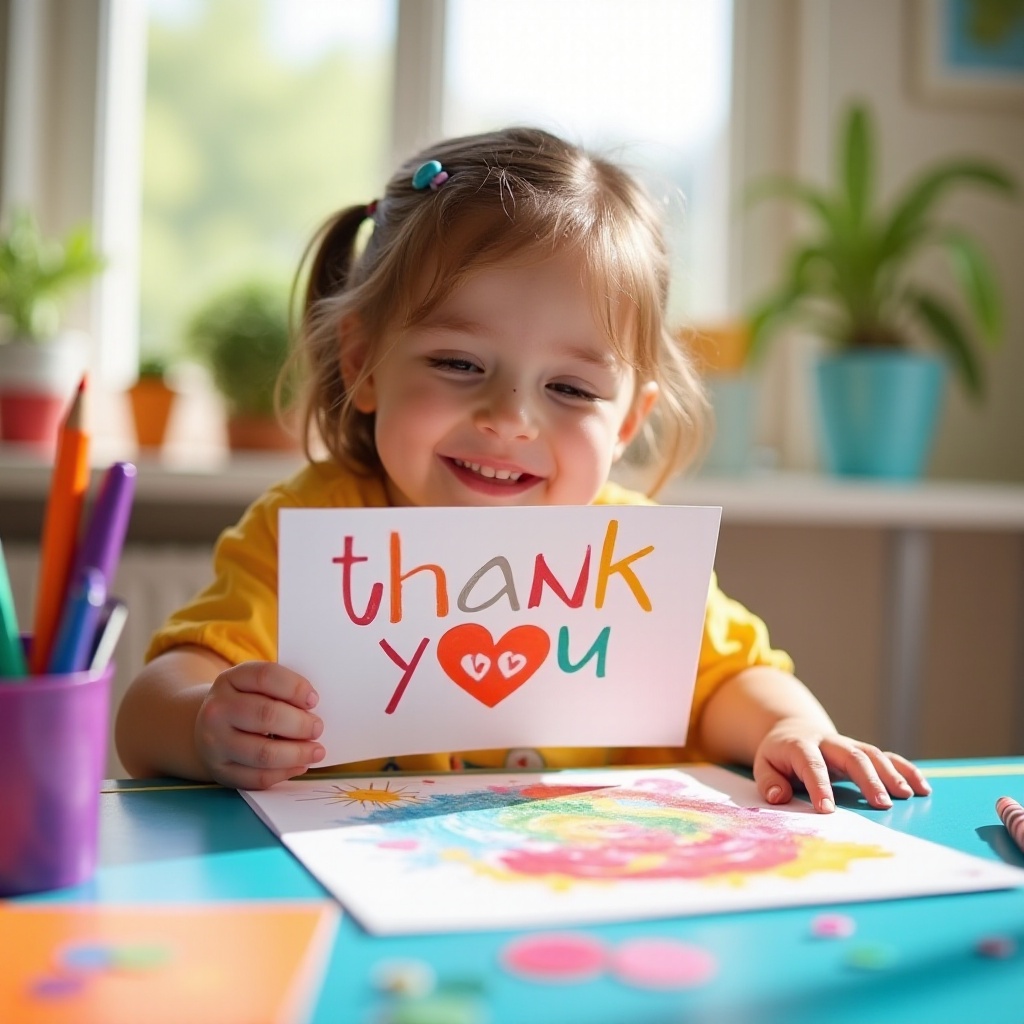
The Importance of Thank You Cards for Kids
The practice of writing thank you cards carries significant benefits for children’s emotional and social growth. It not only involves expressing gratitude but also instills critical life values.
Building Gratitude and Emotional Intelligence
When children write thank you cards, they are encouraged to reflect on their experiences and appreciate the kindness of others. This introspective activity helps develop empathy and emotional intelligence by encouraging kids to remember and recognize acts of generosity. It lays the foundation for a thankful mindset, which is crucial for personal development.
Encouraging Positive Social Interactions
Thank you cards also facilitate social development by teaching the importance of expressing gratitude, thus strengthening positive interpersonal relationships. As kids exchange cards, they experience the joy that comes from both giving and receiving appreciation. This practice nurtures a supportive social network among peers, family, and educators, cultivating a community filled with mutual respect and kindness.
Creative Thank You Card Ideas
Incorporating creativity into thank you card making can transform it from a chore into an engaging, enjoyable activity for children of all ages.
Easy Designs for Younger Kids
-
Finger Painting Fun: Young children love to create colorful designs using finger paints on blank cards. This activity not only produces vibrant visuals but also provides a tactile experience that engages their senses.
-
Sticker Scenes: Offer a variety of stickers for kids to construct their own scenes on the card’s front. This approach personalizes each card with simple yet meaningful decorations.
Advanced Projects for Older Children
-
Pop-Up Cards: Older children can design pop-up thank you cards featuring 3D elements. These can surprise and delight recipients, adding an extra layer of creativity.
-
Collage Cards: Introduce collage techniques using magazines or colorful papers to create an artistic thank you note. This project challenges children’s creativity and crafting skills.
Themed Cards for Holidays and Birthdays
-
Holiday Motifs: Encourage themed cards with elements such as Christmas trees or Easter eggs, which align with seasonal festivities, adding a touch of holiday spirit.
-
Birthday Fun: Incorporate playful themes like balloons or cakes in birthday thank you cards. These elements enhance the festive atmosphere and make the cards memorable.
Crafting Thank You Cards at Home
Creating thank you cards at home offers a special bonding activity for parents and children, making gratitude expression enjoyable and memorable.
Materials You Will Need
- Colored construction paper or card stock
- Crayons, markers, or colored pencils
- Glue sticks or double-sided tape
- Safety scissors for younger children
- Stickers, buttons, or decorative washi tape
- Glitter pens or decorative stamps for embellishments
Step-by-Step Instructions for Kids
-
Choose Your Base: Select a piece of card stock or construction paper for the card’s base. Fold it in half to form a card structure.
-
Decorate the Cover: Utilize crayons, markers, or stickers to adorn the front. Encourage creativity with personalized names or drawings.
-
Write a Message: Inside, guide younger kids in composing personal thank you messages, explaining the significance of the gesture.
-
Add Personal Touches: Enhance the card with unique elements like glitter or stamps, making each card special.
-
Sign the Card: Ensure the child signs their name, adding a personal touch to the heartfelt message.
Teaching Thank You Card Etiquette
Understanding thank you card etiquette equips kids with crucial skills in communication and appreciation, ensuring their messages of gratitude resonate meaningfully.
Understanding the Basics of Etiquette
Teaching children simple thank you card etiquette helps them to express authentic gratitude. Cards should be sent promptly after receiving a gift or kind gesture, with sincere thoughts that reflect appreciation for the recipient’s generosity and effort.
Structuring the Perfect Thank You Note
-
Opening Greeting: Begin with a friendly salutation, addressing the recipient by name.
-
Express Thanks: Clearly state the reason for the card and the specific event or gesture you’re thankful for.
-
Acknowledge the Gift or Gesture: Mention details about the gift or kind action, showing appreciation and recognition.
-
Closing Remarks: End with a note that emphasizes further appreciation or looking forward to future meetings.
-
Sign Off With Kindness: Complete with a warm closing, like ‘With love,’ followed by the child’s signature.
Common Mistakes to Avoid
Remind children to avoid overly vague messages. Encourage them to personalize each note and ensure messages convey genuine gratitude without sounding rehearsed.
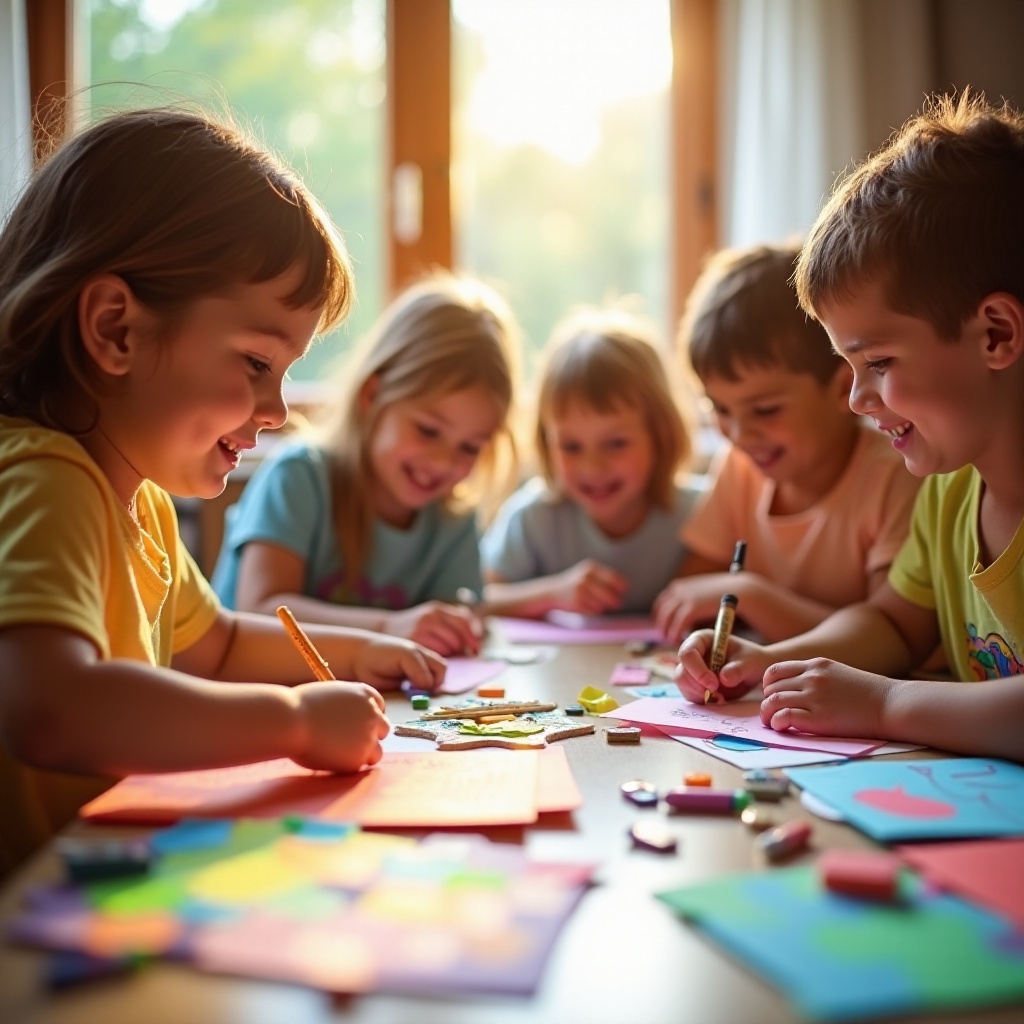
Incorporating Thank You Cards in Education
Educators can enhance learning experiences by including thank you cards in both classroom activities and curriculum lessons.
Classroom Activities and Group Projects
Organize group sessions in which students craft thank you cards for a project or event. This encourages collaboration and allows students to experience the joy of shared creativity.
Integrating Thank You Cards into the Curriculum
Incorporate thank you card writing into language arts lessons. This practice not only fosters writing skills but also reinforces the importance of gratitude and communication etiquette, providing a well-rounded educational experience.
Conclusion
Encouraging children to create and send thank you cards instills a lifelong appreciation for gratitude and kindness. As they participate in fun crafting and express their thanks, they grow emotionally and socially, gaining essential life skills. Cultivating these habits ensures that kids develop into kind-hearted and appreciative individuals.
Frequently Asked Questions
What age should kids start writing thank you cards?
Children can start around age three, helping with decoration or signing, while parents assist with the message.
How can I motivate my child to write thank you cards?
Make it a creative family activity with colorful supplies and explain the importance of gratitude.
Are digital thank you cards acceptable for kids?
Digital cards are fine for tech-savvy children but handwritten cards remain more personal for teaching gratitude.