
Best Sippy Cup for 18 Month Old: A Comprehensive Guide
Introduction
Choosing the right sippy cup for your 18-month-old is a journey filled with considerations on safety, usability, and child preference. At this stage, toddlers are leaving behind their bottles and moving towards cups that nurture independence. Our guide aims to equip you with the necessary knowledge to make an informed decision about which sippy cup will best aid your child’s transition.
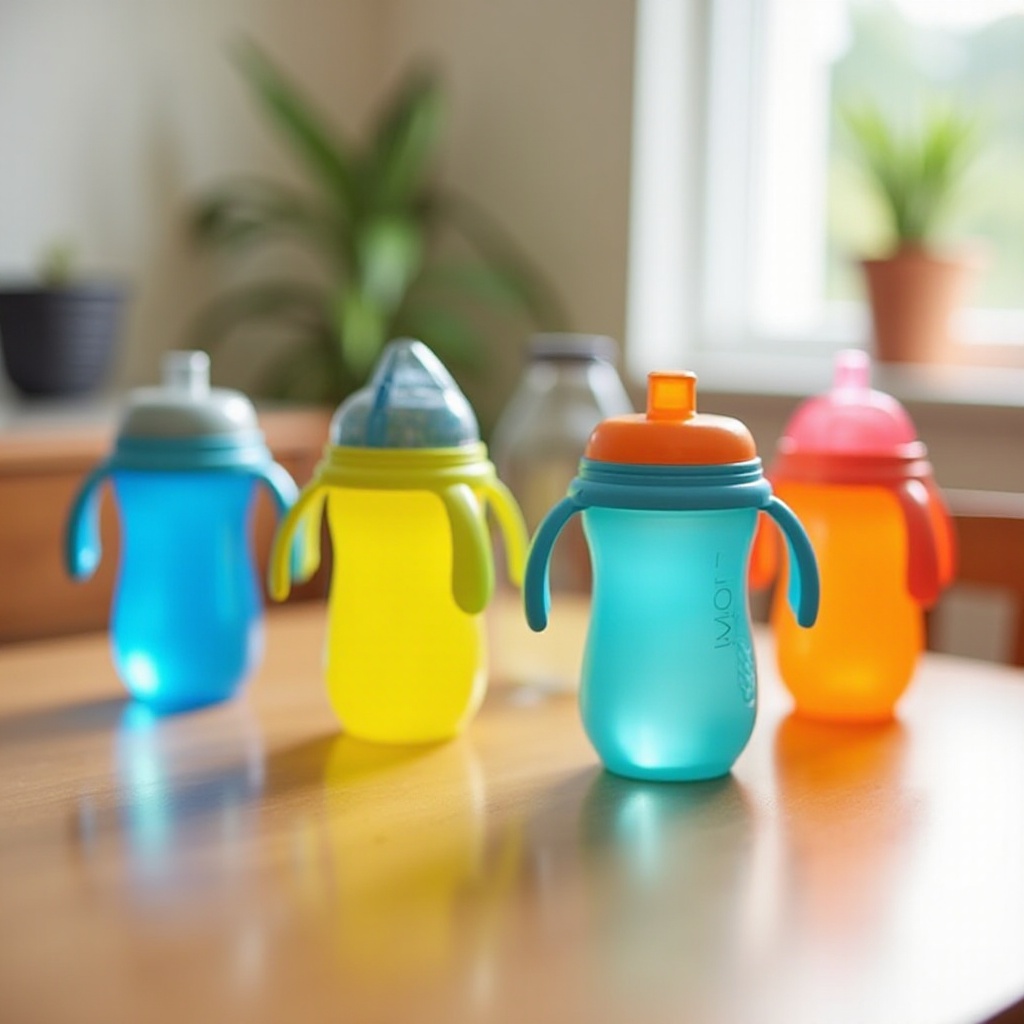
Why Sippy Cups Matter for 18-Month-Olds
Sippy cups serve an essential function in a toddler’s growth. They act as the stepping stone from bottles to standard cups, aiding in the development of motor skills and self-feeding independence. It’s not just about drinking; it’s about learning coordination and autonomy.
Developmental Benefits
Sippy cups are vital in developing fine motor skills as toddlers learn to handle and self-feed through them. Additionally, using these cups strengthens the same mouth muscles that are crucial for speech development.
Transitioning from Bottles
At 18 months, transitioning from a bottle to a sippy cup is significant for a child. This shift supports healthier oral habits and encourages a gradual move towards drinking from an open cup, an important milestone in toddler development.
Types of Sippy Cups to Consider
Understanding the various types of sippy cups will assist you in determining the best fit for your child’s unique needs. Let’s explore the features that set different designs apart:
Soft-Spout vs. Hard-Spout Cups
Soft-spout cups resemble bottle nipples, providing comfort for toddlers accustomed to bottles. Conversely, hard-spout cups are more durable and can withstand toddler tendencies like biting, making them long-lasting.
360-Degree Rim Cups
These cups allow drinking from any part of the rim, simulating the open cup experience while minimizing spills. They are an excellent choice for toddlers ready for a more cup-like drinking experience.
Straw Cups
Straw cups encourage sipping, which is crucial for oral muscle engagement and speech development. They are particularly beneficial for children who find spout cups difficult to use without creating a mess.
Key Features to Look for in a Sippy Cup
When choosing a sippy cup, focus on safety, ease of use, and functionality to ensure it meets your child’s needs:
Material Safety and Durability
Opt for sippy cups made from BPA-free materials to ensure your child’s safety. Durability is also critical, as toddlers tend to handle cups roughly.
Ease of Cleaning and Maintenance
Select cups that disassemble easily for cleaning. Dishwasher-safe options can save time and ensure a hygienic drinking vessel for your child.
Spill-Proof and Leak-Proof Design
To minimize mess, prioritize cups with secure lids and leak-resistant designs, especially useful for on-the-go use or during travel.
Top 5 Sippy Cups for 18-Month-Olds in 2024
After examining products and parent feedback, here are the top sippy cups for this year:
Cup 1: Features and Benefits
This soft-spout option has a unique valve system that prevents leaks, is made from durable materials, and is easy to clean.
Cup 2: Features and Benefits
Its 360-degree rim design encourages open-cup drinking while reducing spills, making it ideal for more advanced drinkers.
Cup 3: Features and Benefits
Featuring a weighted straw, this cup is great for toddlers as it allows drinking from all angles and includes easy-grip handles.
Cup 4: Features and Benefits
A hard-spout cup with a flip-top lid offers durability and portability, well-suited for active toddlers engaging in play.
Cup 5: Features and Benefits
This eco-friendly option stands out with its biodegradable materials while ensuring robust spill protection.
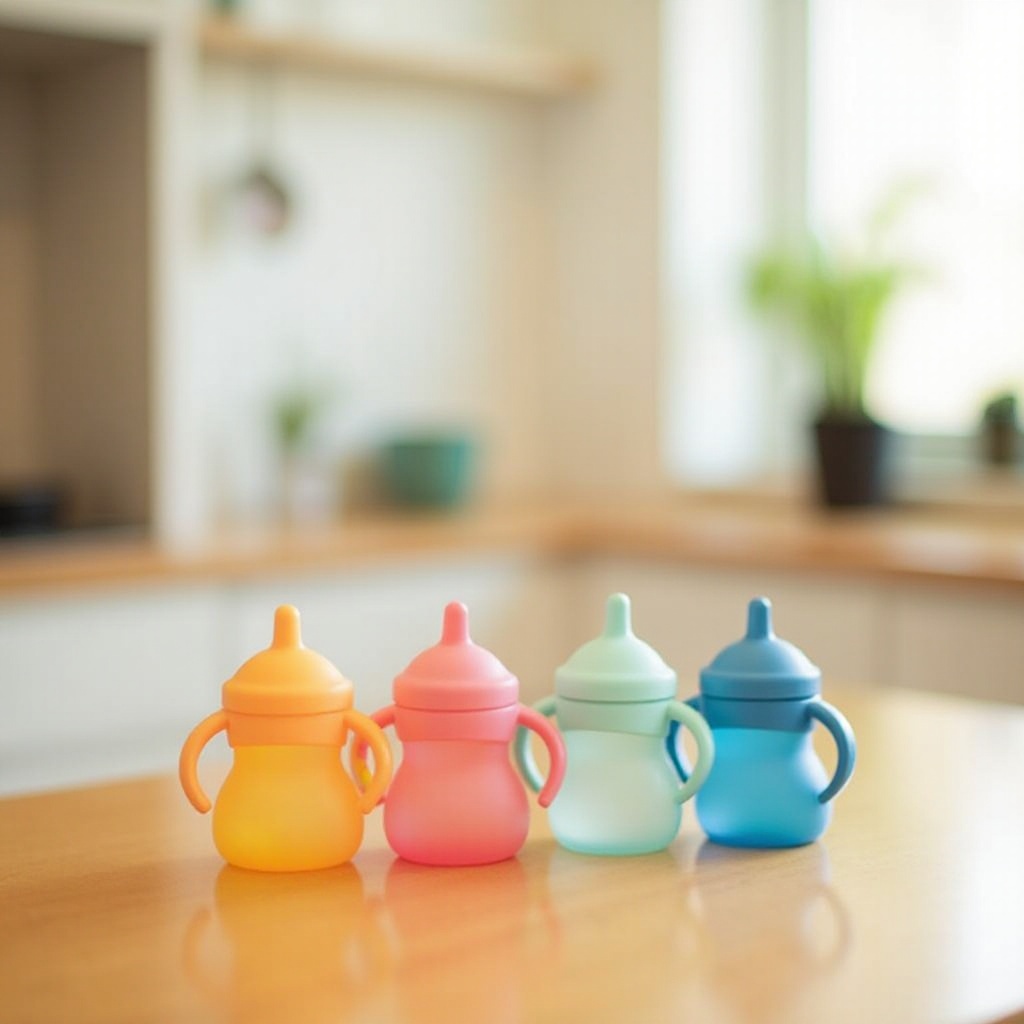
Tips for Introducing a Sippy Cup to Your Toddler
Smoothly transitioning your child to a sippy cup involves combining patience and strategy:
- Offer the sippy cup during meals alongside a bottle.
- Encourage your child to explore the cup independently.
- Praise your toddler’s efforts to reinforce positive use of the cup.
Conclusion
Selecting the best sippy cup for your 18-month-old is key to supporting their growth and independence. By focusing on features, safety, and your child’s tendencies, you can find a cup that meets all your needs and helps your child thrive.
Frequently Asked Questions
What if my child refuses the sippy cup?
Try presenting the sippy cup with various drinks they enjoy and introduce it gradually. Be patient, as some toddlers adapt more slowly.
How often should I replace a sippy cup?
Regularly check for wear, especially on spouts and straws. Replace cups every few months or as soon as they show damage.
Can my 18-month-old use a regular cup?
While some toddlers can use regular cups, most benefit from the spill-resistant features of sippy cups. Transition gradually, starting with supervised open-cup use.